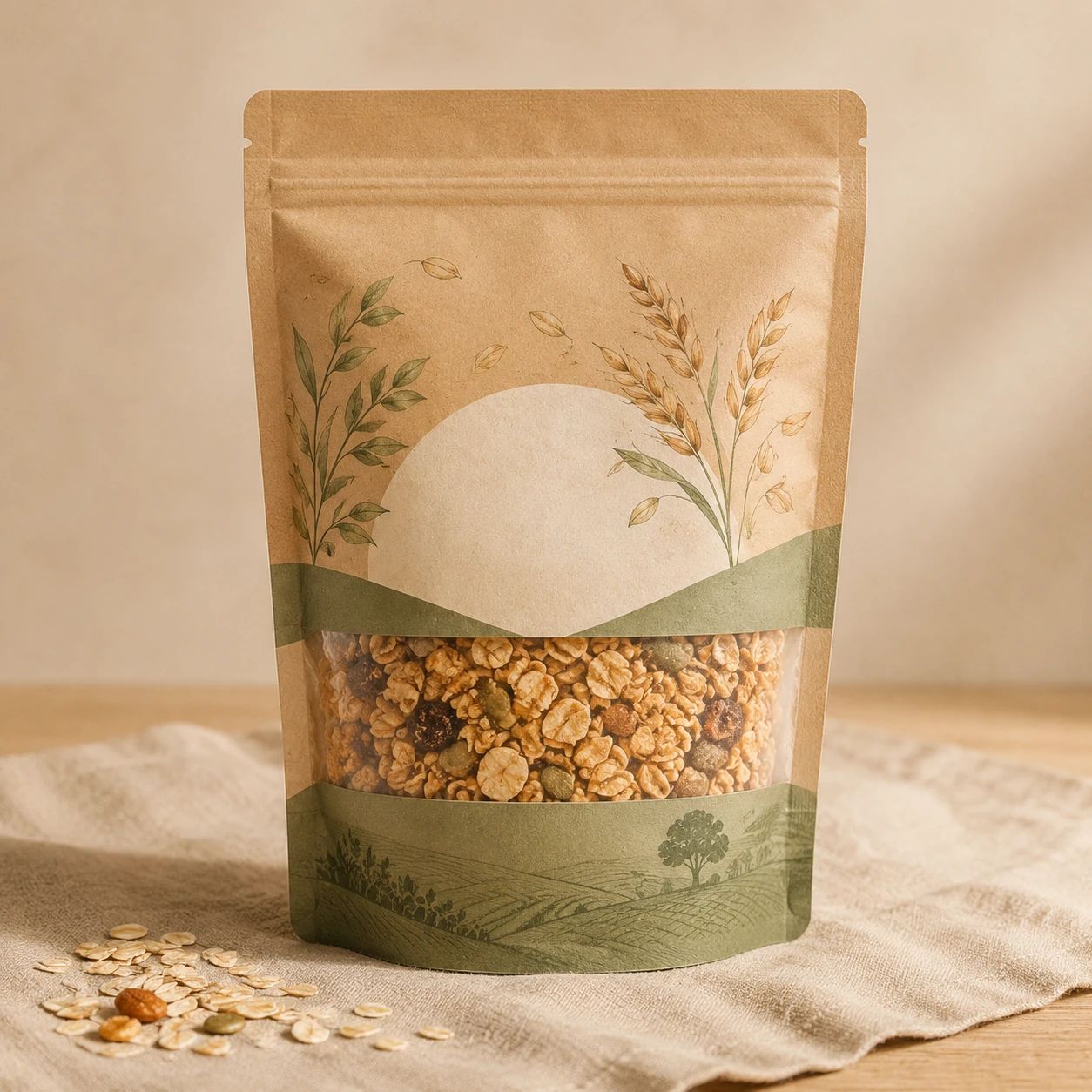
What does a photo beautifier do?
+
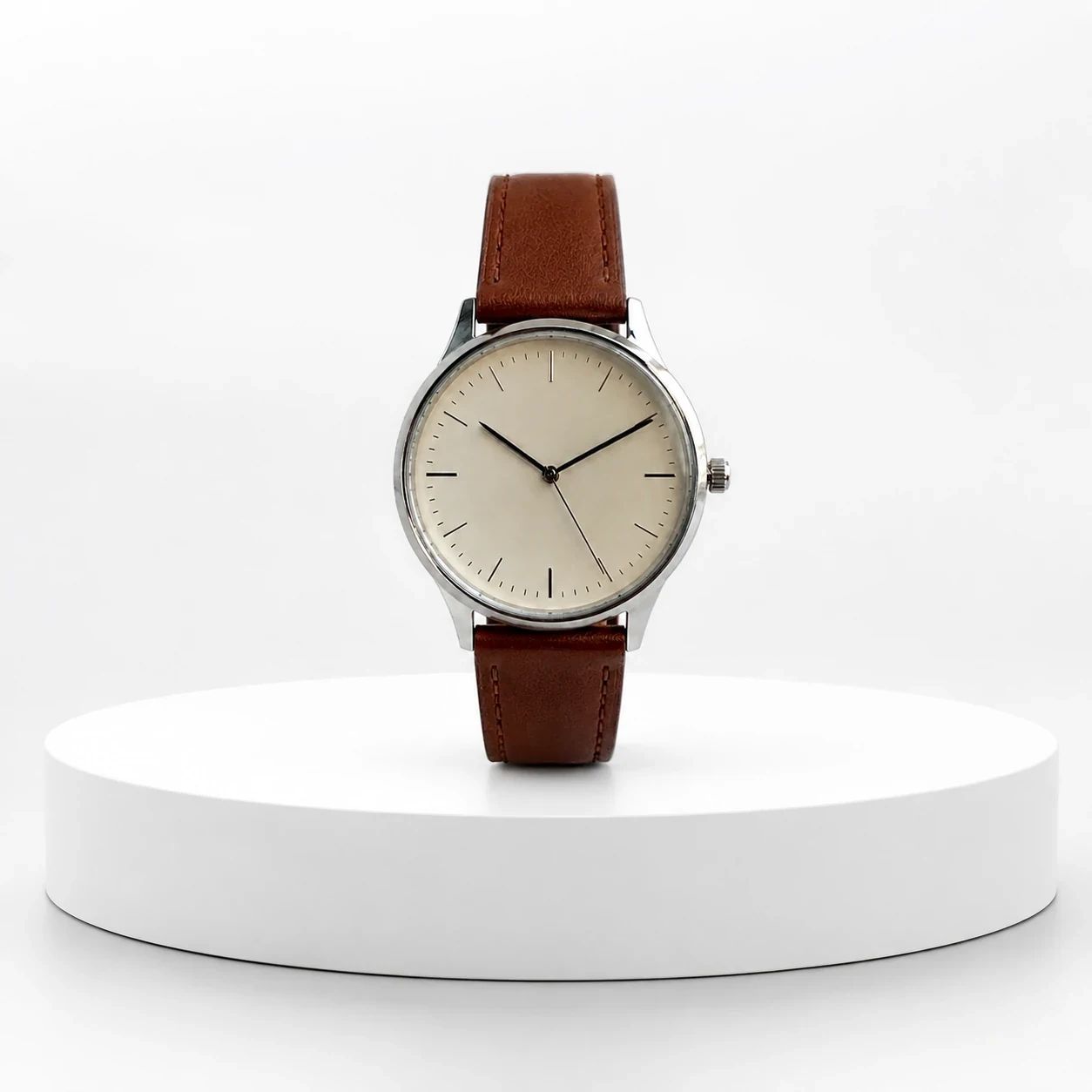
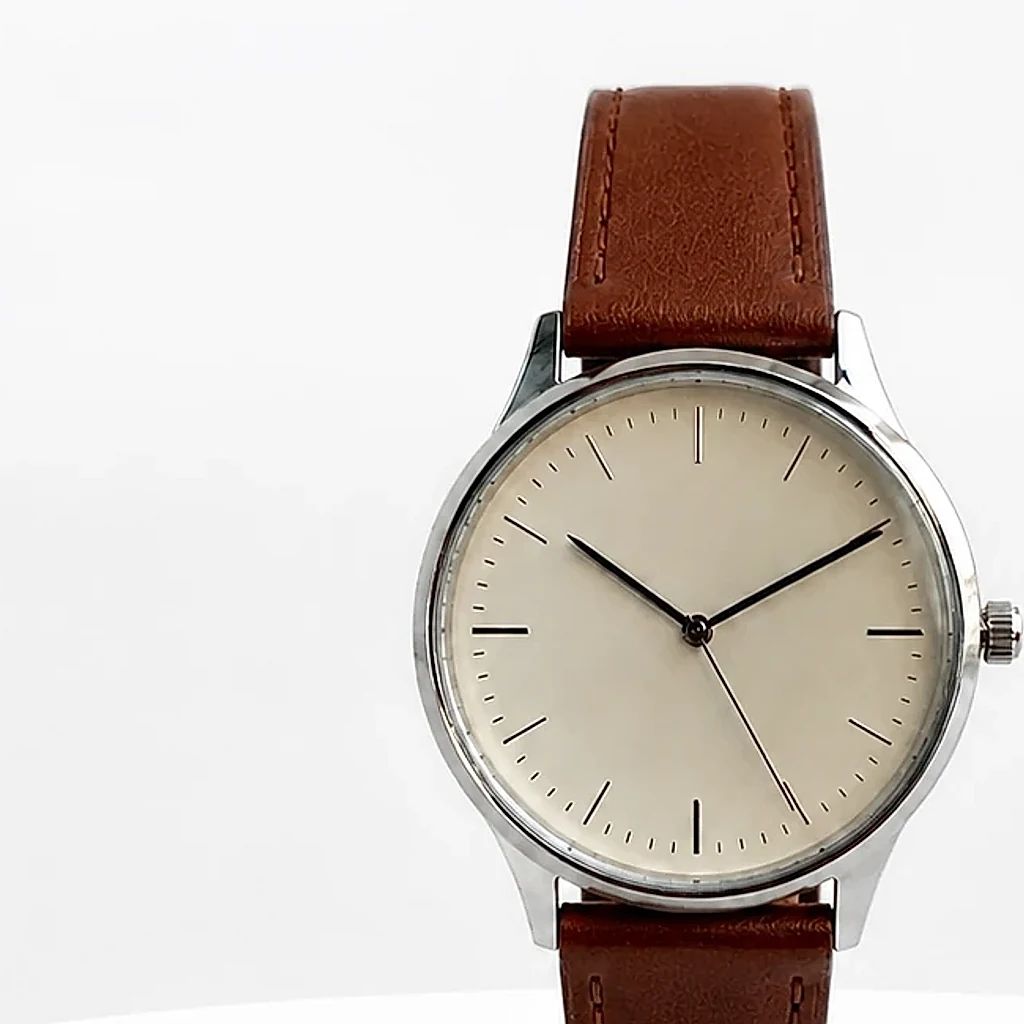
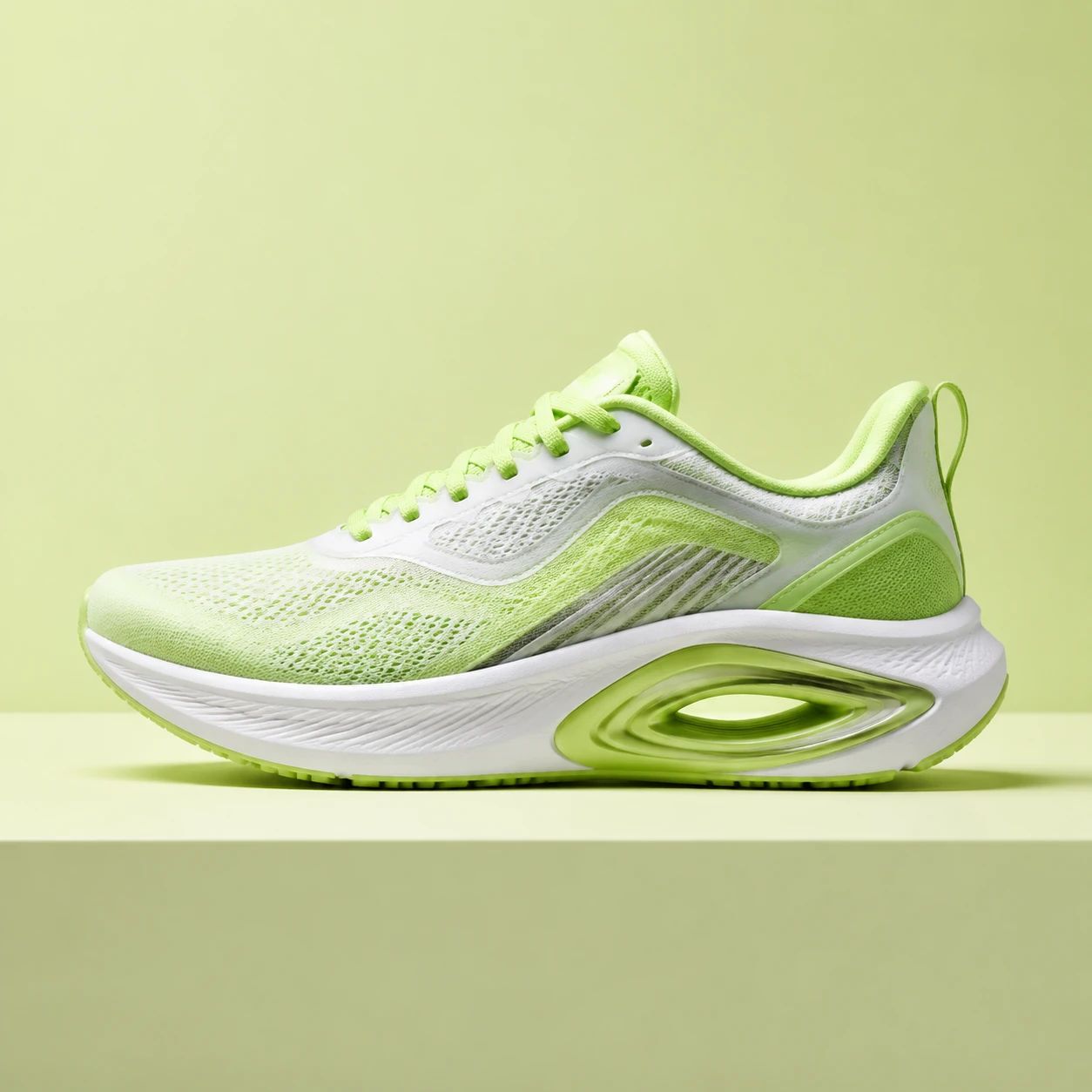
A photo beautifier helps explore a cleaner, more polished visual direction for a catalog photograph. It can be useful when preparing ecommerce, catalog, or campaign creative, but the result needs review against the original. Check that the item, its important details, and the intended brand direction remain understandable before any frame is published.
Which catalog photos are a good starting point?
+
Start with the clearest original photo available, where the item shape, color, and important features are visible. Keep enough resolution and surrounding context to inspect the finished frame. Be cautious with tiny, severely blurred, tightly cropped, or obscured items, because they can make it harder to assess labels, materials, proportions, and sales-critical details.
Does beautification guarantee factual fidelity?
+
No. Treat every result as a candidate that needs a direct visual comparison with the original catalog photo. Inspect color, labels, logos, shape, texture, proportions, and distinctive features before approval. The appropriate review level depends on where the frame will appear and what information a customer or reviewer needs to understand from the completed deliverable.
Can I use a beautified file for ecommerce?
+
You can evaluate a beautified file for ecommerce, then review it in the actual sales context. A marketplace tile, detail page, catalog grid, and promotional banner can need different crops, scales, and detail levels. Confirm current channel requirements yourself and check that the chosen output still shows required packaging, branding, and item characteristics clearly.
Can I use it for campaign or social creative?
+
A refined catalog photograph can be a useful starting point for campaign, social, or launch creative when the visual direction fits the brief. Place the file beside the actual message, call to action, and crop before approval. Review item visibility, brand marks, color, texture, and the relationship between the subject and any surrounding text or design elements.
What should I inspect before publishing?
+
Check the exported frame against the original for labels, logos, color, shape, texture, material, proportions, and other brand-critical details. Inspect at the displayed size as well as a larger review size. Then test the file in its intended placement. A result that looks polished on its own can still be unsuitable when cropped, compressed, or placed in a catalog grid.
Can I add style direction to the workflow?
+
Use the available workspace controls to guide the result toward the treatment you need, then review the finished frame carefully. Describe the intended commercial context and keep the original nearby for comparison. Do not assume a chosen direction will be appropriate for every category, brand, or channel without checking the actual output in its intended layout.
Will the item always look the same after refinement?
+
Do not rely on an automatic promise that every feature will remain unchanged. Review the specific result against the original, especially small text, logos, distinctive materials, reflective surfaces, patterned packaging, and item proportions. Choose another result or use a clearer photograph when important merchandise information is unclear or the finished treatment does not meet the assignment.
How can a team keep catalog photos consistent?
+
Create a repeatable review checklist covering original quality, category details, visual direction, crop, background, labels, color, materials, and intended placement. Review a set of catalog photographs together before a catalog or campaign update. Keep the original file with the approved version so future reviewers can compare decisions and maintain a consistent commercial standard across a collection.
What should I do when a result is not suitable?
+
Identify the exact issue first: merchandise details are unclear, the crop is weak, the style does not fit, a label changed in appearance, or the output does not work in its destination. Try another result or begin with a clearer reference photo, then compare again at display size. Do not publish the file until it communicates the item appropriately for its intended use.